
The Way of the Merchant- Unlocking the Business Wisdom of Im Sang-ok in the Historical K-Drama "Sangdo"


Capitalism, self-made billionaires, the “American Dream”… the stories of those who build empires from nothing are woven into the very fabric of American culture. We celebrate ingenuity, shrewdness, and a relentless pursuit of success. But what if one of these epic rags-to-riches tales came with a profound and surprising twist of morality?
Let me introduce you to the historical Korean drama that is unlike any other historical epic you’ve seen: “Sangdo” (Sangdo: The Merchant of Joseon). This isn’t a story of royal power struggles or palace romance. It’s a captivating, character-driven journey into the heart of a 19th-century business genius who proved that extreme wealth and a profound code of ethics are not mutually exclusive.
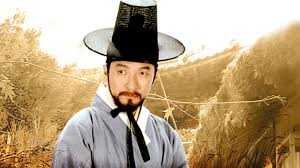
Im Sang-ok: Korea’s Answer to Andrew Carnegie?
Imagine a man born into the lowest tier of the merchant class—a simple street peddler. Through sheer grit, unparalleled skill, and a revolutionary philosophy, he rises to become the wealthiest, most powerful, and most influential merchant in the entire Joseon dynasty. His name is Im Sang-ok.
For American audiences, the most fitting comparison is to a figure like Andrew Carnegie. Both men built incredible fortunes from humble beginnings. But more importantly, both were defined not just by their shrewdness in business, but by their ultimate commitment to giving back to society. Im Sang-ok was a visionary who saw business as a powerful tool for social good, not just for personal gain.
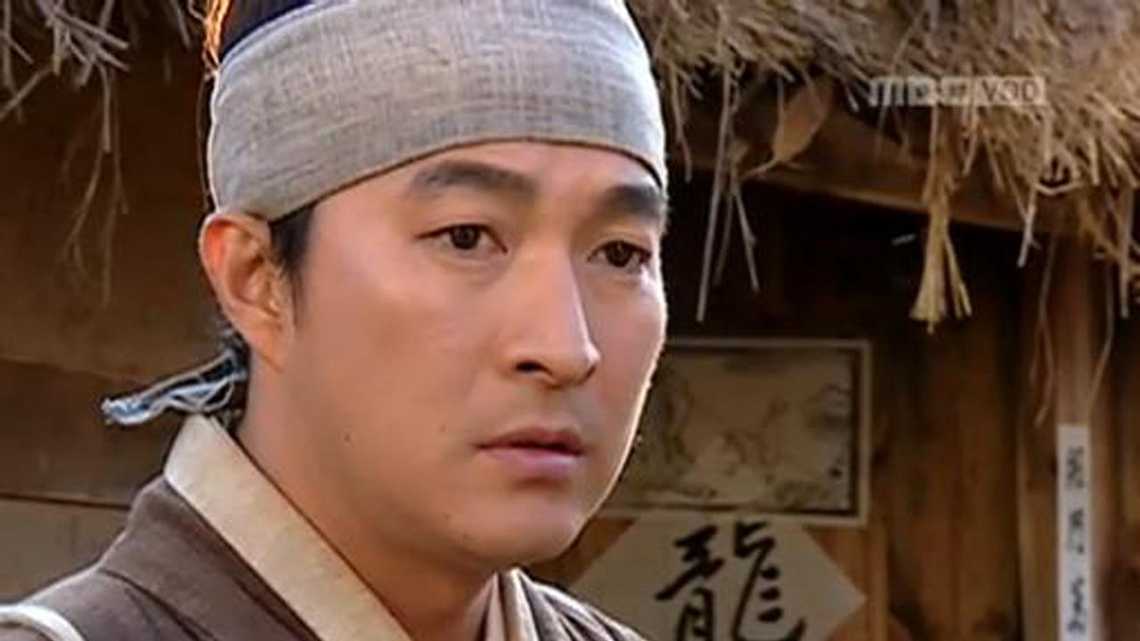
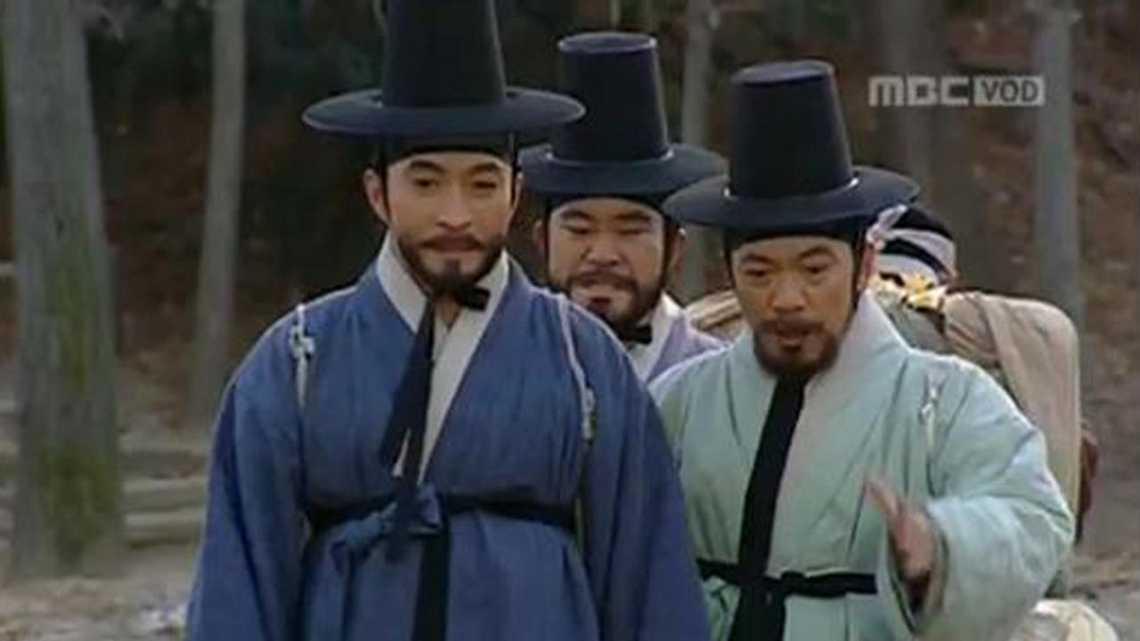
A Masterclass in Shrewd Strategy: The Incredible Ginseng Burning Episode
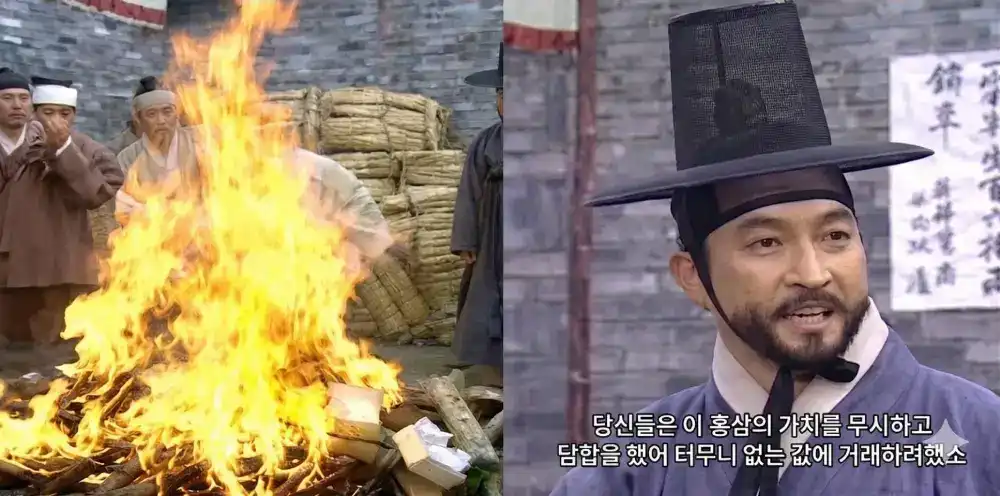
If you think a historical K-drama can’t be thrilling, you have to watch one of the single most iconic scenes in K-drama history. Picture this: A critical negotiation with powerful Chinese merchants who have colluded to fix prices, aiming to buy Korean ginseng for pennies on the dollar. The Joseon merchants are on the brink of financial ruin.
Im Sang-ok, a relatively young man at the time, pulls off a gamble so audacious it would make a Wall Street shark pause. He goes all-in, buying up all the available ginseng to create a monopoly. Then, in front of the stunned Chinese merchants, he performs a dramatic, symbolic gesture that still sends chills down my spine: He starts to burn his entire, precious supply of ginseng.
The message was clear: “I would rather destroy my fortune than let you steal my dignity.” The spectacle was a game-changer. The Chinese merchants, faced with the loss of their only supply and a direct challenge to their tactics, were forced to surrender. They not only agreed to buy at Im Sang-ok’s original price but ended up paying an even higher premium. It was a perfect blend of high-stakes psychology, economic warfare, and powerful performance art.
Cunning Rivals and Seasoned Mentors: A Cast that Comes Alive
A hero’s journey is only as strong as the people he meets. “Sangdo” excels at creating a memorable ensemble cast.
Jeong Chi-su: The Villain You’ll Love to Hate. He is a brilliant but amoral merchant who initially begins as a rival but is driven by unbridled greed. His willingness to use any cunning or deceitful tactic to win, and his slow, inevitable descent into a miserable downfall, creates a powerful moral contrast with our hero.
Hong Deuk-ju: A Rare Kind of Mentor. He is the seasoned leader of a merchant guild who first discovers Im Sang-ok’s talent. A rare kind of leader, he is mature enough to recognize his own limitations and selflessly helps nurture the young prodigy, serving as a guiding light on the correct path.
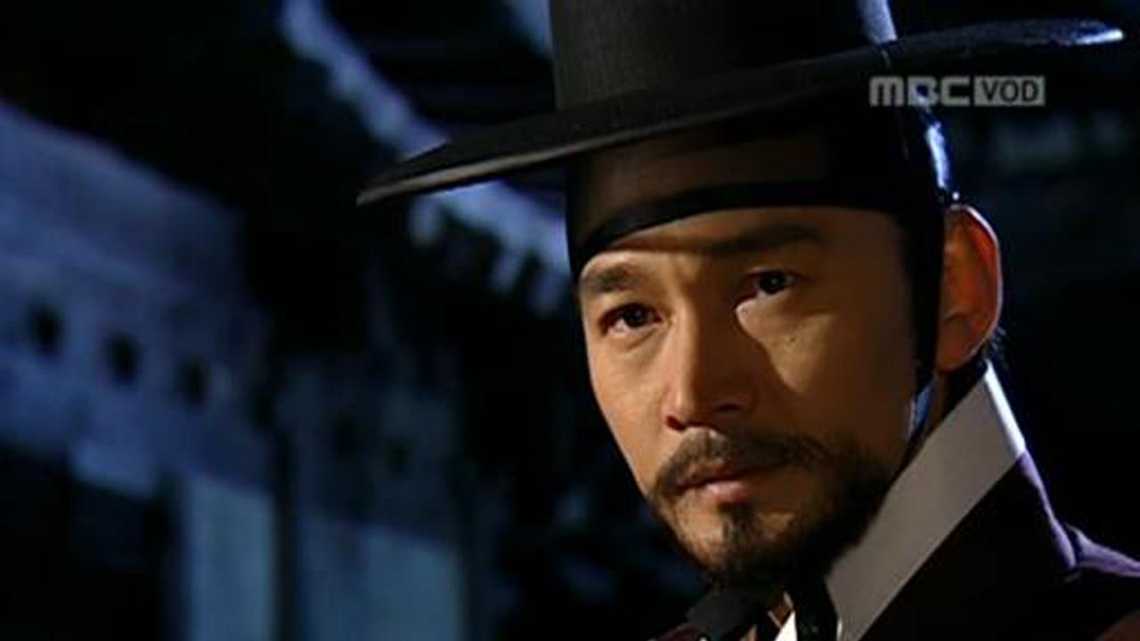
“Wealth is Equal to Water”: A Timeless Message of Ethical Capitalism
At its core, “Sangdo” is a drama about “The Way of the Merchant” (the literal translation of Sangdo). Im Sang-ok’s personal philosophy can be summed up in his most famous quote: “Wealth is equal to water (財上平如水).” Like water, wealth must flow. When it is hoarded and blocked, it becomes stagnant and corrupt. It must be used, reinvested, and ultimately given back to the people and society that made it possible.
For a modern world often weary of the winner-takes-all, greed-driven nature of current capitalism, Im Sang-ok’s life story is a powerful anti-narrative. He shows us that a successful business can be built on a foundation of integrity, and that a true “master” of business is one who has mastered himself first.
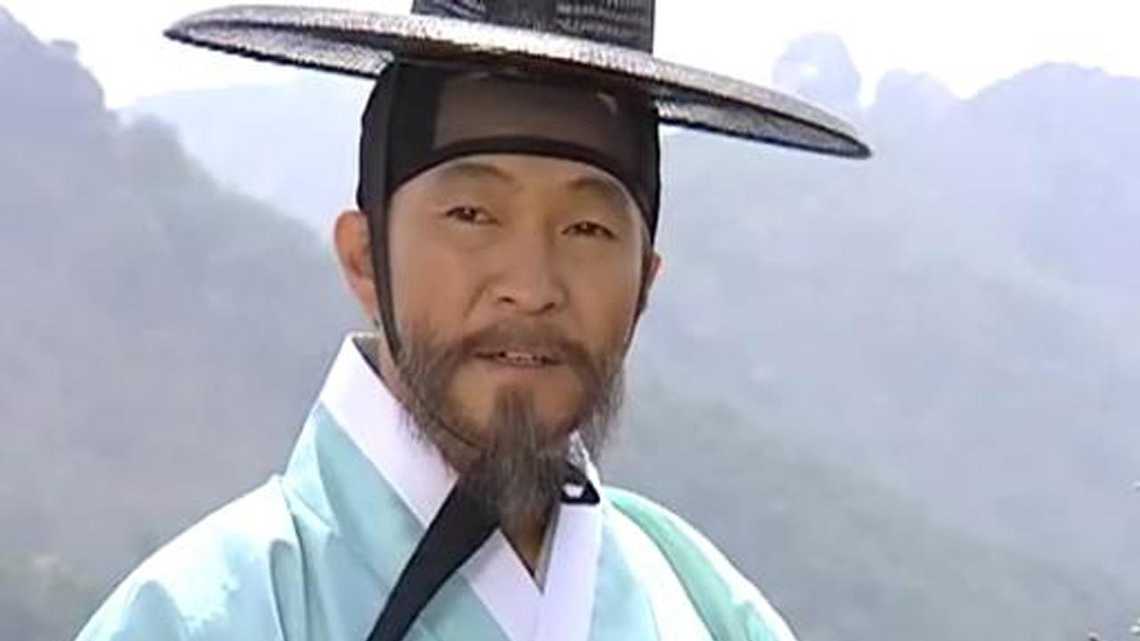
A Must-Watch for Business Lovers and Ethical Thinkers Alike
My Rating: ⭐⭐⭐⭐⭐ 5/5 Stars
So, who should watch “Sangdo”? If you are a fan of sweeping historical epics, this is a masterful entry. If you are a business owner or an aspiring entrepreneur, it is an absolute treasure trove of timeless wisdom and strategic brilliance. But most importantly, if you are simply tired of the heartless pursuit of wealth and are looking for inspiration for a more ethical, humanity-first approach to life and work, then Im Sang-ok is the hero you’ve been waiting for.
This isn’t just a drama about making money; it’s a drama that reminds us that business isn’t just about accumulating profits, but about accumulating people.
Table Of Contents
Related Posts
